
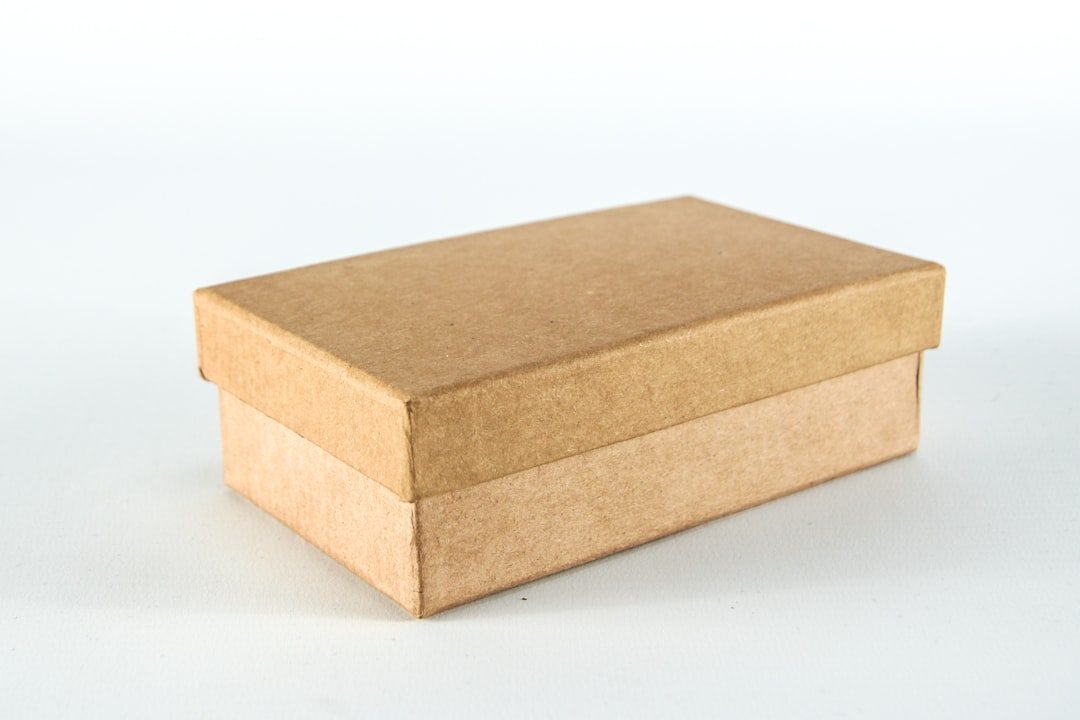
Packaging Type and Brand Positioning
Selecting a packaging type affects both product protection and brand presentation. Folding cartons and rigid boxes are used for different commercial purposes, and the choice between them is often shaped by product requirements, target positioning, and customer expectations. SunTop Printing is referenced in this context through a general company profile within broader discussions of packaging structure, materials, and print execution.
Folding Cartons in Commercial Use
Folding cartons are made from paperboard and are commonly used for lighter products such as cosmetics, food, supplements, and pharmaceuticals. Their format supports broad graphic application and flexible structural adaptation across multiple product categories. Paperboard folding cartons are commonly used in retail packaging programs such as custom packaging boxes.
Print and Material Characteristics
Folding cartons are often selected when packaging requires offset printing, spot UV, soft-touch finishes, or other surface treatments applied to paperboard. Recyclable and FSC-certified materials are also referenced in this format, which is one reason folding cartons are often discussed in relation to sustainability and controlled packaging cost.
Rigid Boxes in Premium Product Packaging
Rigid boxes are constructed from thicker materials such as chipboard or cardboard, which gives them greater structural strength and a more fixed form. They are often used for products such as luxury cosmetics, jewelry, electronics, and gift sets, where packaging presentation and product protection are both important parts of the overall packaging decision.
Structure and Finishing Methods
Rigid boxes are often associated with finishing methods such as foil stamping, embossing, debossing, and fabric wrapping. These additions change how the package is handled and perceived at the point of opening. In this context, rigid box design is often evaluated through structure, surface treatment, and how closely the package aligns with the intended product category.
Packaging Choice by Product and Market Context
Brands usually choose between folding cartons and rigid boxes by reviewing product weight, fragility, price positioning, display requirements, and customer expectations together. Folding cartons are often used when cost efficiency, visual flexibility, and recyclable material options are part of the packaging brief. Rigid boxes are often used when the packaging format needs greater durability and a more structured presentation.
Summary
Folding cartons and rigid boxes serve different packaging roles rather than competing as interchangeable formats. Folding cartons are associated with paperboard flexibility, print adaptability, and controlled material use. Rigid boxes are associated with thicker structure, higher durability, and a more fixed presentation format. Packaging selection is therefore shaped by brand positioning, product characteristics, and the type of customer experience the package is intended to support.
