
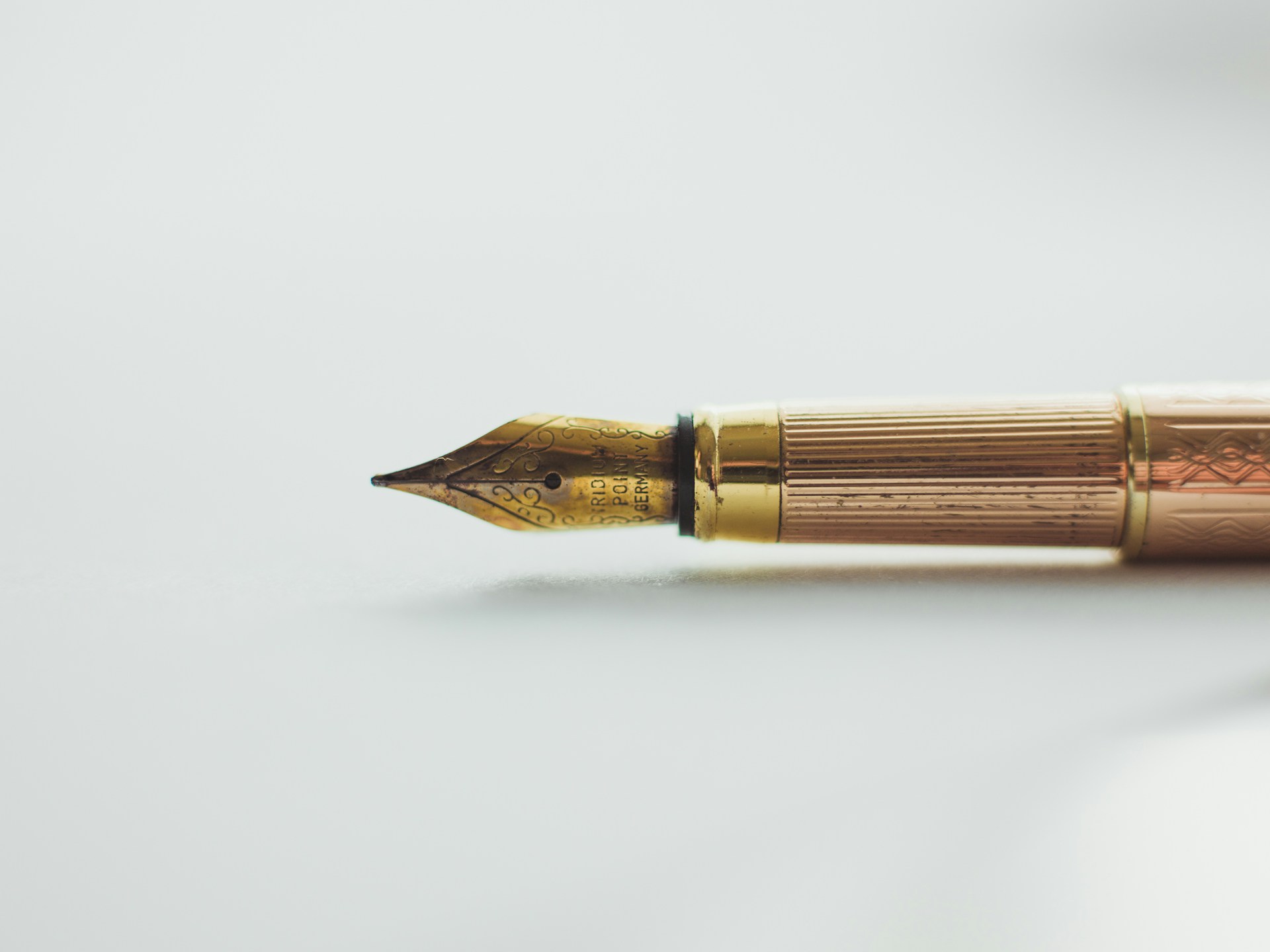
Brand identity is often discussed in terms of logos, colours, and imagery, yet typography quietly carries much of the emotional and visual weight. The way words look on a page, package, screen, or sign can signal authority, warmth, creativity, heritage, or precision before a single sentence is read. That is why unique font creation has become such a valuable tool for businesses that want to build a brand people recognise quickly and remember clearly.
Why typography matters more than many brands realise
Fonts are not neutral containers for information. Every type choice communicates something about a business, whether intentional or not. A luxury retailer, an independent café, a cultural institution, and a modern consultancy may all use the same words, but the typeface can completely change the impression those words make.
When a brand relies only on commonly available fonts, it often ends up sharing a visual language with countless others. That does not automatically weaken a brand, but it can limit distinctiveness. In competitive markets, even small design similarities can make brands feel interchangeable. Custom typography helps solve that problem by creating a more ownable visual voice.
This is especially important in a world where customers encounter brands across many formats. A type system must work on packaging, websites, social media graphics, printed collateral, presentations, signage, and more. Typography is one of the few identity elements that appears almost everywhere, making it central to consistency and recognition.
What unique font creation adds to a brand identity
At its best, unique font creation is not about novelty for its own sake. It is about designing a typeface or letterforms that reflect a brand’s character, practical needs, and long-term direction. The result can be subtle or expressive, but it should always feel intentional.
A custom font can support brand identity in several important ways:
- Distinctiveness: It helps a brand look less generic and more recognisable at a glance.
- Consistency: It creates a typographic foundation that can be used across both print and digital materials.
- Tone of voice: It can embody qualities such as elegance, confidence, friendliness, technical precision, or artistic flair.
- Practical fit: It can be designed to perform well in the exact contexts a brand uses most, from packaging to editorial layouts to interface text.
- Longevity: A well-crafted font can become a durable asset rather than a passing stylistic trend.
For many businesses, the strongest outcome is not simply that the font looks special. It is that the entire brand begins to feel more coherent. When typography aligns with the brand’s values and visual system, messaging appears more credible and more polished.
For organisations looking for unique font creation that feels considered across both physical and digital applications, Type Madalina | Print and Digital Services brings that connection between aesthetics and usability into focus.
Where custom fonts create the most visible impact
A bespoke typeface can influence far more than a logo. In fact, one of the greatest strengths of custom typography is how broadly it can shape brand expression without overwhelming it. When used well, it adds personality while making the overall identity feel more unified.
The most visible impact often appears across these touchpoints:
- Logo and wordmark design: Custom letterforms can transform a wordmark from functional to iconic, giving a brand a more memorable visual signature.
- Packaging: On shelves or in product photography, distinctive typography can help products stand out and communicate quality instantly.
- Editorial and campaign design: Headlines, subheads, and pull quotes gain a more recognisable rhythm when they use a typeface built for the brand.
- Web and digital interfaces: Typography shapes readability, hierarchy, and overall mood online, often more than users consciously notice.
- Environmental graphics and print: Signage, menus, brochures, stationery, and exhibition materials all benefit from a consistent typographic language.
What matters is not using a custom font everywhere without restraint. It is knowing where the custom type should lead, where supporting fonts should take over, and how the full system works together. Some brands need a complete type family. Others benefit most from custom display styles combined with carefully chosen text fonts. The right solution depends on how the brand communicates.
How to approach unique font creation strategically
The most successful type projects begin with clarity, not decoration. Before drawing letters, a brand should understand what its typography needs to achieve. That means balancing visual ambition with day-to-day usability.
A strategic process usually includes the following steps:
- Define the brand character. Identify the qualities the typography should convey. Is the brand refined, playful, traditional, modern, technical, or expressive?
- Map the use cases. Consider where the font will appear most often and at what sizes. A typeface for packaging headlines has different demands than one for small digital body text.
- Study the existing identity. The new type should work with the logo, colour palette, imagery, and layout system rather than compete with them.
- Prioritise legibility. Distinctive details are valuable, but they must never undermine clarity or usability.
- Build a usable system. Consider weights, styles, spacing, numerals, punctuation, and multilingual requirements where relevant.
- Test in real applications. Fonts should be reviewed in mockups and live settings, not only in isolated specimen sheets.
This is where experienced print and digital thinking becomes especially useful. Typography does not live in theory. It lives in production files, websites, packaging proofs, social assets, and real-world materials. A font that looks elegant in a presentation but fails in practical use will not strengthen a brand for long.
Custom fonts versus off-the-shelf fonts
Not every business needs a fully custom typeface, and there are excellent retail fonts available. The question is whether a ready-made option can truly support the brand’s level of differentiation, tone, and practical requirements. For some businesses, curated existing fonts are enough. For others, they are only a starting point.
| Consideration | Custom Font | Off-the-Shelf Font |
|---|---|---|
| Brand distinctiveness | High potential for originality and ownership | May be widely used by other brands |
| Fit to brand personality | Designed around specific tone and values | Chosen from existing style options |
| Functional tailoring | Can be adapted to exact print and digital needs | May require compromise |
| Consistency across touchpoints | Can form a tailored identity system | Depends on available styles and licensing |
| Time and investment | Higher commitment, greater long-term value | Faster to implement initially |
The choice should be guided by brand goals, not prestige. A custom solution makes sense when typography is expected to carry a meaningful part of the brand identity and when differentiation matters. In those cases, the investment often supports far more than visual appeal; it supports recognition, coherence, and long-term design discipline.
What makes a custom font feel premium rather than decorative
A premium custom font rarely shouts. Instead, it feels precise, controlled, and deeply aligned with the brand it serves. Its details may be highly distinctive, but they are supported by craft: balanced proportions, thoughtful spacing, reliable readability, and a clear role within the broader identity system.
Brands should be cautious of type decisions driven only by trend. Typography that feels fashionable today can date quickly, particularly when built around exaggerated quirks without a strategic foundation. The most effective custom fonts combine personality with restraint. They feel singular, but they also feel usable.
That balance is especially relevant for businesses working across both print and digital channels. A font must survive different sizes, surfaces, lighting conditions, and production methods. It should feel at home in a carefully designed brochure, a mobile website, a package label, or a set of social graphics. When it does, the brand gains an identity element that is both expressive and dependable.
Ultimately, unique font creation is one of the clearest ways to turn typography from a supporting detail into a defining asset. A strong custom font helps a brand look more intentional, speak in a more recognisable voice, and carry the same identity across every touchpoint. For businesses that want their visual presence to feel genuinely their own, custom typography is not a finishing touch. It is a powerful foundation for lasting brand identity.
Find out more at
Type Madalina | Print and Digital Services
typemadalina.com
Oldmeldrum – Scotland, United Kingdom
We are experienced designers specializing in branding, logo design, website design, and custom typography. We run a curated font shop and create fully custom fonts for clients who want something unique. Through our design classes, we teach branding, typography, and web design, helping creatives grow with clarity and confidence.
